Dispatch intelligence for regional carriers.
Route planning realities, failed delivery economics, and fleet operations insight from practitioners — not marketers.
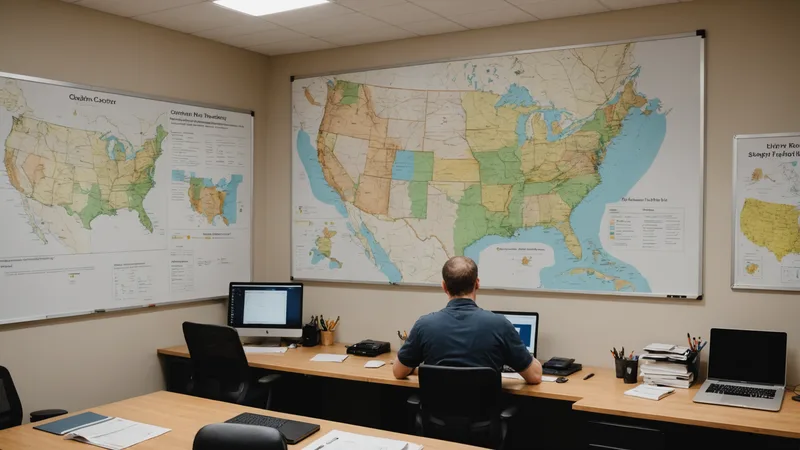
I spent six years watching dispatchers redo their routes by hand every day. This is the story of why I stopped waiting for someone else to fix it.
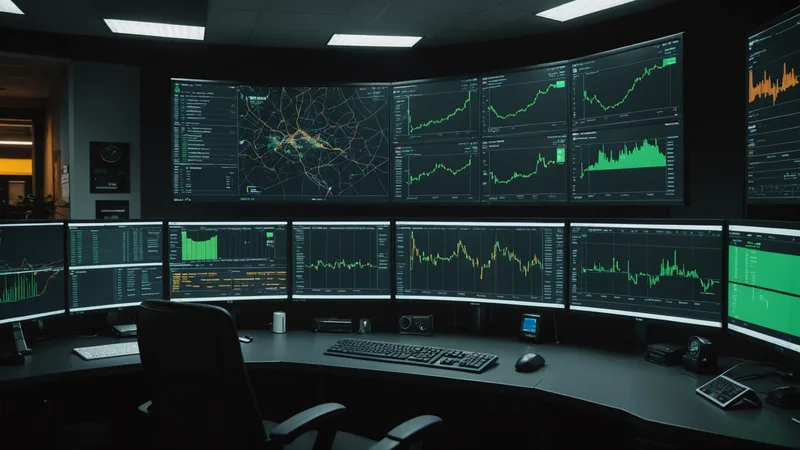
5 Metrics That Actually Tell You If Your Routes Are Getting Better
Stop count per hour is a vanity metric. Here are the five numbers fleet managers should track.
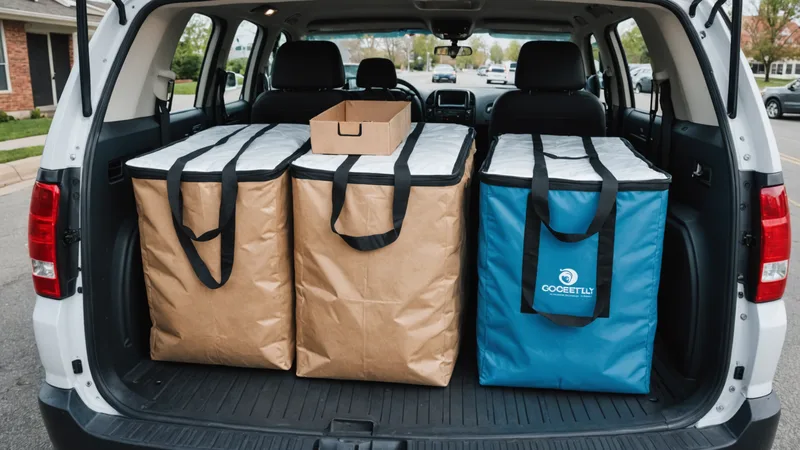
Route Optimization for Same-Day Grocery Delivery: A Different Problem
Grocery delivery has a 2-hour customer window, temperature requirements, and order batching. Standard route optimization doesn't account for any of it.
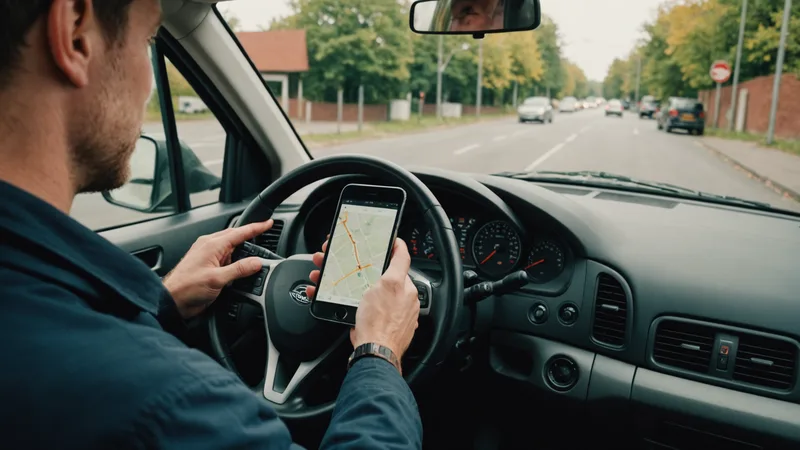
What We Learned Onboarding 200 Drivers to a New Route App
Most routing software fails at the driver layer. Speed, simplicity, and not requiring wifi in a warehouse — lessons from real fleets.
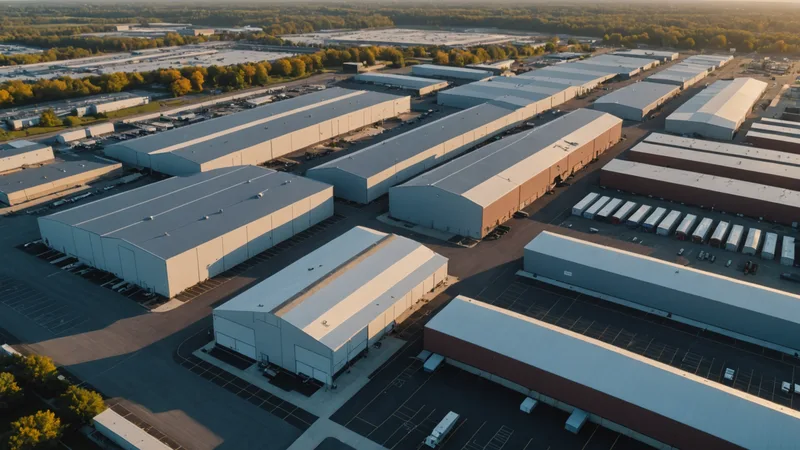
Multi-Depot Routing for Regional Carriers: A Practical Guide
Running multiple distribution centers within a metro area changes your routing math entirely.
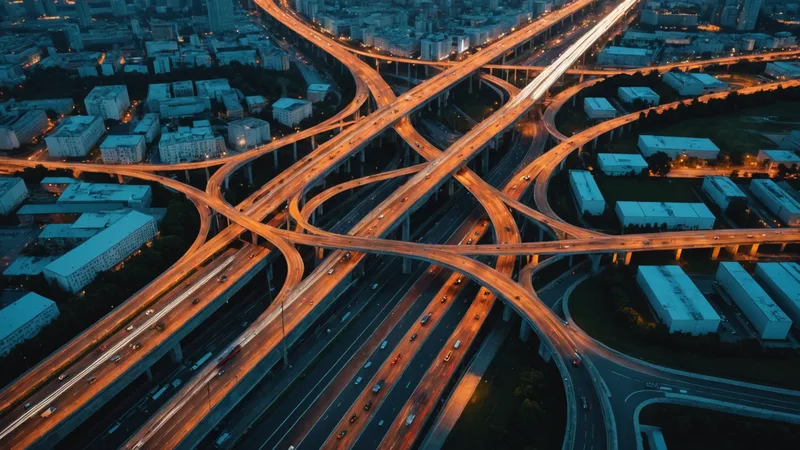
Live Traffic vs Historical Patterns in Route Optimization: When Each Wins
Historical patterns predict most days. Live traffic wins on construction, weather, and events.
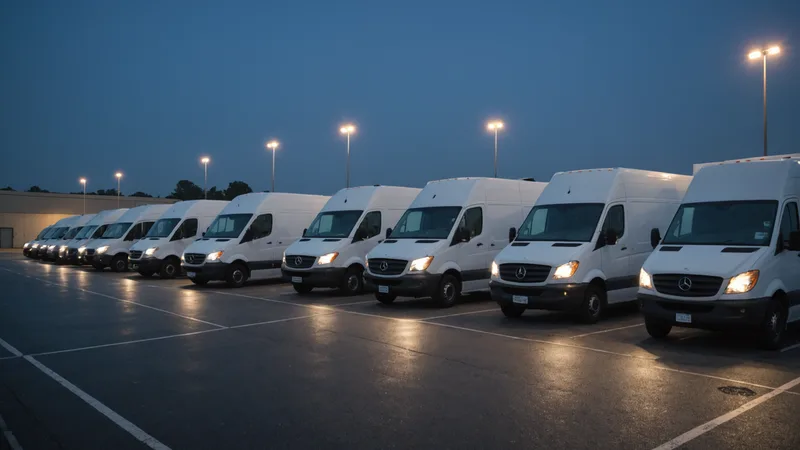
The 5 AM Dispatch Routine That's Costing You $400 a Day
We walked through morning dispatch with three regional carriers. The same pattern kept appearing: 90 minutes of work that's obsolete by 8 AM.
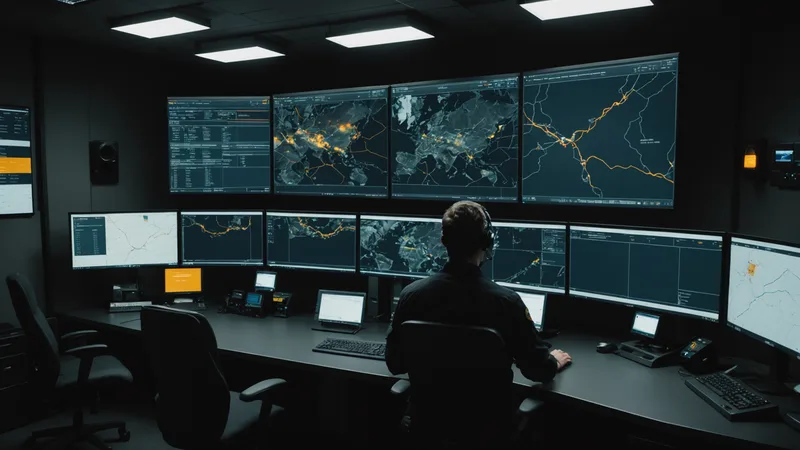
TMS vs Route Optimization Software: What's the Difference
Your TMS tracks shipments. Your route optimization decides how drivers move. They're different jobs.
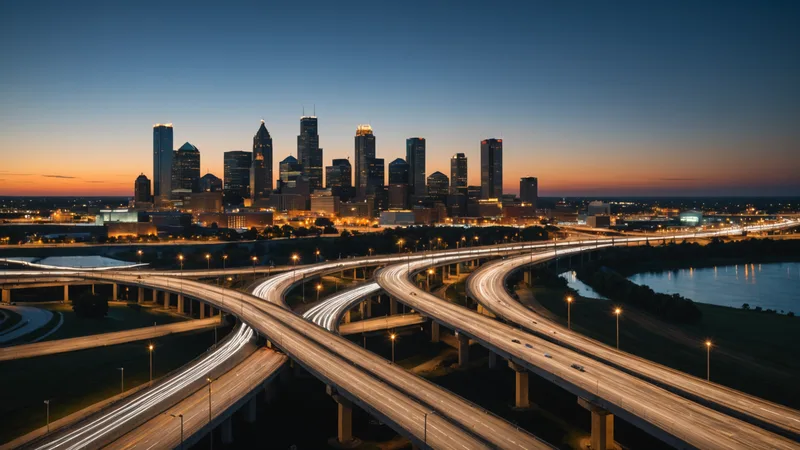
Why Columbus Is the Logistics Testing Ground America Needs
Columbus sits at the intersection of I-70 and I-71, within 10-hour drive of 60% of US population.
How Customer Availability Windows Should Actually Work
Most routing tools treat availability windows as hard constraints that blow up your route. They're actually soft data.
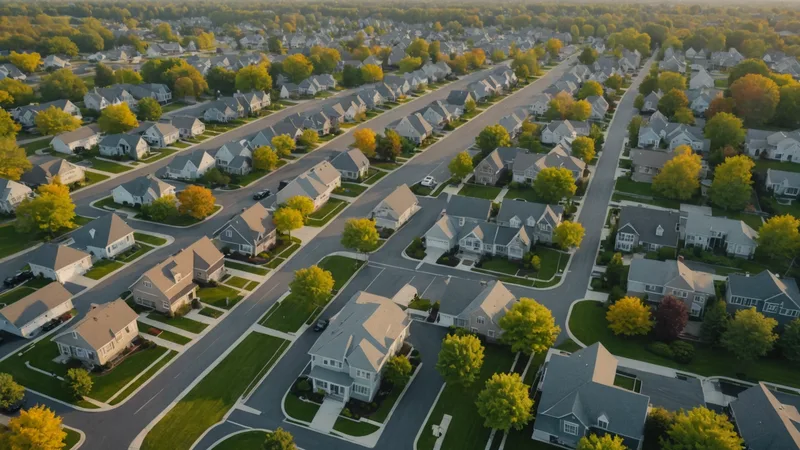
The Last-Mile Density Problem Regional Carriers Can't Buy Their Way Out Of
National carriers have density. You don't. Here's how algorithmic re-sequencing closes the gap.
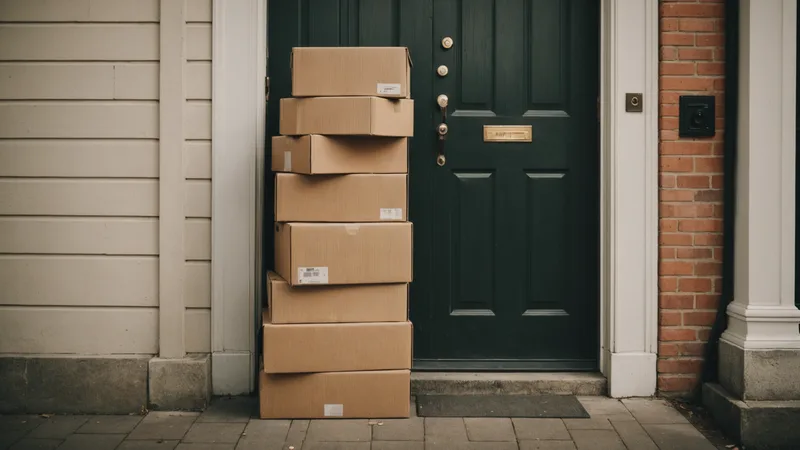
The Real Cost of a Failed Delivery Attempt
Re-delivery isn't just a gas cost. We break down the fully-loaded cost per failed stop.
Why Your Static Routes Fail Before Noon
Dispatch plans routes at 5 AM using yesterday's data. By 9 AM, 15% of stops are already wrong.