We built Routely because dispatch is still done at 5 AM.
Founded in Columbus, Ohio in 2025. Three people who've worked in regional carrier operations before writing a line of code.
Six years watching dispatchers re-plan routes by hand after noon.
Before Routely, Simone Kaufmann spent six years inside regional carrier operations — coordinating routes, fielding calls when stops failed, and watching dispatchers redo work that should have been automated.
The problem was never the morning plan. At 5 AM, the plan was solid. By 9 AM, it had broken three ways at once: traffic backed up on I-270, a customer wasn't home on stop 12, and Driver 3 was running 40 minutes ahead of schedule with capacity to spare. There was no system to adapt in real time. Dispatchers adapted by phone call, spreadsheet cell, and tribal knowledge.
Columbus is the right place to build this. It sits at the intersection of I-70 and I-71, and hosts national e-commerce fulfillment, Cardinal Health, Nationwide warehouse operations, and dozens of regional couriers running 10-to-200-vehicle fleets. Those operators do the same delivery volume that large national carriers do — but they're priced out of the tooling that large carriers use. They dispatch on static plans and re-plan by hand.
Routely is the tool Simone needed and couldn't find. Not a morning planning tool with a "live" checkbox. Not a per-driver subscription that gets expensive past 20 vehicles. A continuous re-sequencing engine, priced per fleet, built from the dispatch floor up.
Three people. All of us have worked in logistics.

Spent six years in regional carrier operations — coordinating routes, fielding failed-stop calls, watching dispatchers redo work by hand. Runs the Columbus office and handles onboarding for Fleet-tier customers personally.
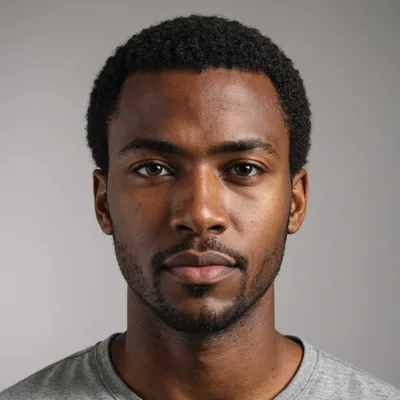
Previously built routing graph pipelines at a freight brokerage — vehicle capacity constraints, multi-depot splits, dynamic re-weighting. At Routely he owns the 15-minute recalc engine and the sub-2s per-driver benchmark.

Handles carrier onboarding and TMS integration from first call to live dispatch. Before Routely, she managed operations for a regional medical-supply courier — she knows what a failed-stop report looks like at 6 PM and what a dispatcher actually needs in the morning.
Three principles. Not a values slide deck.
Fleet managers run dispatches, not configuration sessions. Routely connects to what you already have — TMS, ELD, or plain CSV — and does one thing well. No multi-week onboarding. No new workflows to train your team on.
Every feature in Routely came from a dispatch problem we watched fail in real operations — a failed stop that cost $180 in re-delivery, a dispatcher who spent 90 minutes redoing routes that should have adapted automatically. We build for the 5 AM shift manager, not for a product demo.
Failed delivery attempts are the most directly measurable cost in last-mile operations — re-delivery labor, driver overtime, and customer churn are all downstream of a stop that didn't happen. That's the number we track. Every product decision gets tested against it before it ships.
Columbus, Ohio.
At the crossroads of I-70 and I-71, in the middle of a Midwest logistics hub. Reach out directly — we're three people, not a support queue.
Columbus, OH 43215
Suite 2600 · 43215