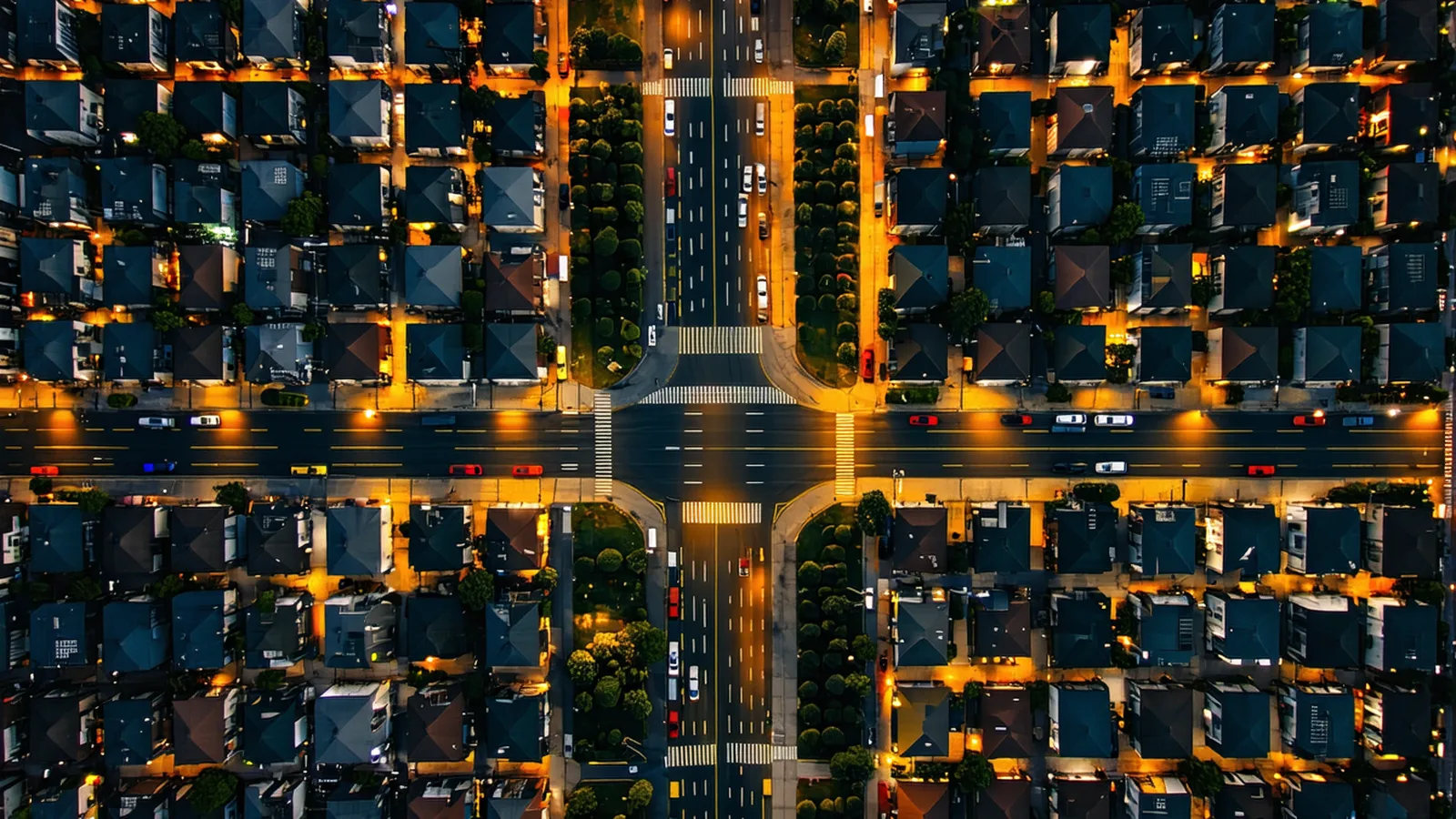
Your 5 AM route plan is wrong by 9 AM.
Routely re-sequences your stops every 15 minutes — against live traffic, missed windows, and driver loads. Regional carriers cut failed deliveries by 40% without adding headcount.
of stops fail before noon on static routes — customer not home, traffic shifted, time windows closed
average daily cost from re-delivery attempts, driver overtime, and dispatcher phone time
how long a 5 AM dispatch plan holds before traffic, missed windows, and driver variance break it
Routes that think faster than dispatch.
While your dispatcher is still on the phone about the I-670 backup, Routely has already re-scored every remaining stop and pushed the updated sequence to your drivers.
Every quarter-hour, Routely re-scores all remaining stops against live traffic feeds, updated customer ETAs, and actual driver positions.
Route graph re-weighting runs in under 2 seconds per driver. A 50-vehicle fleet is fully re-sequenced in under a minute.
Updated sequences push directly to the driver app. No phone calls, no manual relay, no lag.
Planning vs. adapting.
Static route planners optimize once, at dispatch time. Routely re-scores every 15 minutes — the world your drivers work in at 10 AM bears no resemblance to your 5 AM plan.
Routes locked at dispatch time
Routes that update every 15 minutes
What the numbers look like after 90 days.
Fewer failed delivery attempts per route
Operations Director, regional grocery distributor, 200-vehicle fleet
Reduction in fuel cost per route, from tighter stop sequencing
Fleet Manager, building materials distributor, 80-vehicle fleet
Dispatcher throughput — same headcount handles twice the dispatch volume
Head of Logistics, regional courier, 45-vehicle fleet
Works with your existing stack.
Connects to your TMS, maps provider, or ELD in under a day. Your existing stop manifests, your existing drivers — Routely adds the continuous re-sequencing layer on top.
What fleet operators say.
"We used to lose four or five stops every afternoon when traffic backed up on the east side. Routely started re-sequencing around it before our dispatchers even saw the alert. First month we cut failed attempts by 38%. That's real money in re-delivery costs and driver dwell time."
"Our dispatchers were spending 90 minutes every afternoon reworking the driver manifests by hand. With Routely, that dropped to basically nothing. Drivers get the updated stop order on their phones, no call needed. My team now handles twice the dispatch volume with the same people."
Start with your actual routes.
Import your stop list. See how Routely re-sequences it in real time — free for 14 days.